
Environment Matters
We should be concerned by what and who is around us

The speed of events is crazy, as in wild.
Any commentary one might make on a particular event must necessarily be rapid and perhaps, not well-considered because the next incident is happening close on its heels. By the time I can sit down to think, to read, to speak with others on a salient topic and feel comfortable enough with my own ideas, the topic has been overtaken by yet another so-called crisis. And, practically speaking, forgotten.
I got bogged down chasing information, wanting to know things that, so far, haven’t affected me personally, closely, and that I cannot influence. It was a strange internet frenzy and it felt out of control. So I started reading about things I can and have controlled, and I discovered an old essay about local environment, and how shaping it can steer outcomes unachievable in other spaces, or social situations. I read, and re-read, and then rewrote it. It’s a long way from Amazon data centers being targeted by suicide drones, and describes how we might leverage changing what’s around us to help change what is within us.
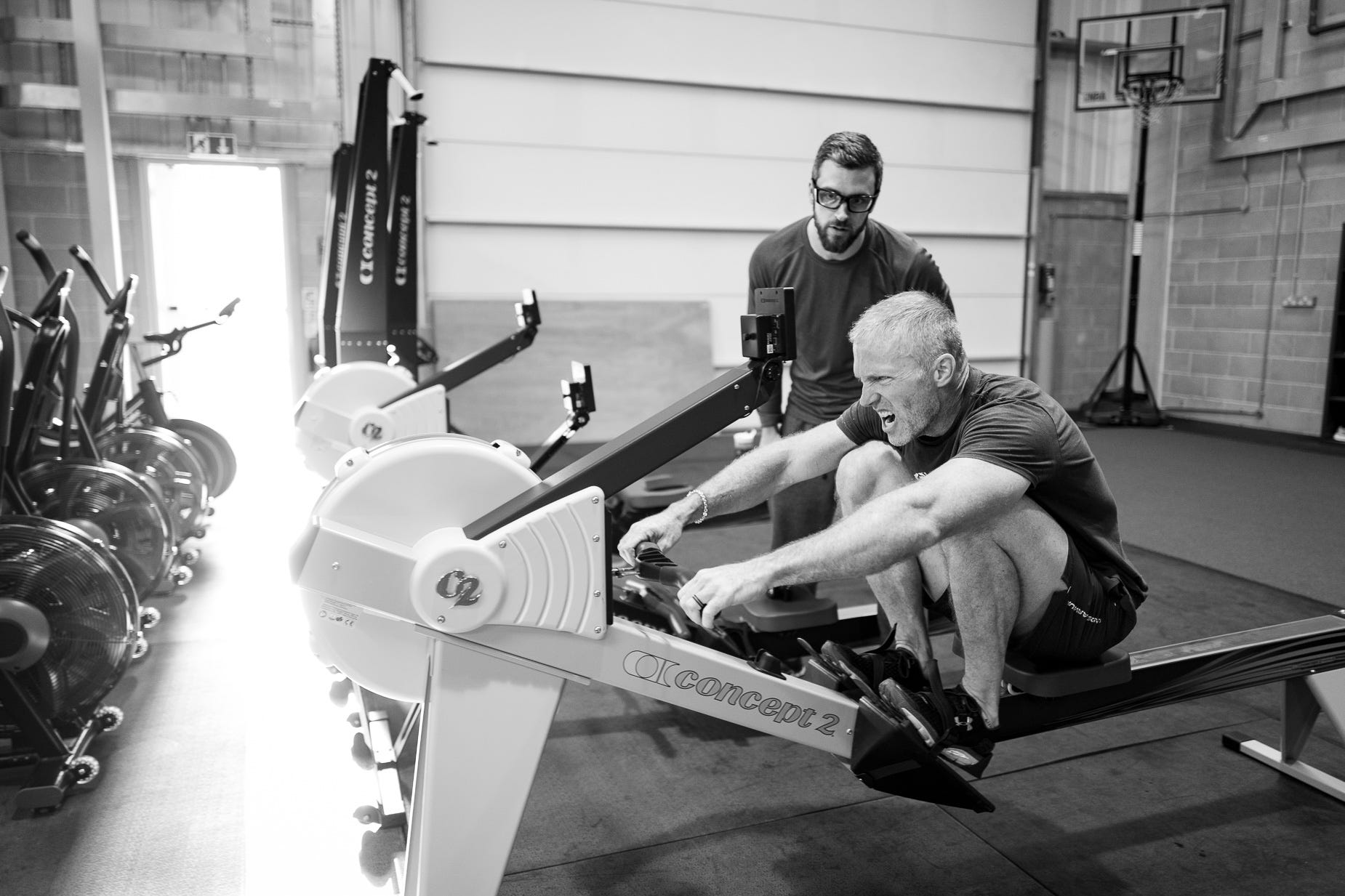
I talk often about the influence of environment on both intended and unintentional outcomes. My old gym project produced magnificent results because we controlled the environment from day one. From the space to the expectations to the language and the personnel — each client paired to a trainer of appropriate temperament — we thought about everything. Perhaps more importantly, we felt everything and acted on intuition even when logic and rules and norms compelled the opposite.
The mountains taught me that even a weak man may grow strong and capable and eventually ambitious when surrounded by the right geography and social circumstances. Of course, risk plays a role but I’ve learned from training clients in the gym that, while extremely powerful and clarifying, not everyone needs to confront death in order to change. They need only confront themselves, honestly.
Of course, consequences focus the mind but some folks only require the assurance that failing won’t result in ridicule or judgement to allow them to risk their own self-image by confronting an unknown task — especially in front of peers. They don’t need death or serious injury to spur them on. They just want to know they can still be part of the pack even if they can’t shoulder a new load. The risk of being cast out is worse than death, and this is a risk, or penalty, we can create in the gym. Artificially. It sounds so simple. But if simple was easy then every one would have their potential well within reach.
Whenever I was on a movie gig I tried to create an environment within which to cause and allow the change required by the job. Sometimes it could be done physically — I got very adept at building and creating new gym spaces — and that multiplied the effect of my influence on a client’s psychology. Often though, I only had what I could carry inside of me. And that multiplied the cost I paid, personally.
When we were making “Batman vs Superman” I was amazed to see how Zack, Adam and Clay created and kept improving their House Gym space at the studio where we worked in Pontiac. I never trained inside it - those guys usually trained about the hour I was getting to sleep - but I would secretly walk in there and just sit sometimes during the day. It felt like work. It felt like change. I know both things happened there. And it was a better space than what we were allocated, which was an old cubicle farm, complete with wall-to-wall carpet, a low ceiling, fluorescent lighting, and a standing request be quiet since other offices shared a wall. And it was before I had the juice to demand better.
From time to time while in Michigan I visited Station 515, which is where Burkey expresses and refines his thesis of, “Philosophy With Consequences”. Even empty, with no one training, the environment there continues to broadcast the message. The physical space has been changed by the work being done it. Burkey assembled a splendid and capable team, each member with a different temperament, each player (client) adding positively to the whole - or asked to leave. He describes his client assessment as, “focused on learning whether or not we can help each other. If we can’t there is no point to starting a relationship.” This simply doesn’t happen in a homogenous space. Or a space expressly designed to remain unaffected by what happens in it.
My point is that we should be concerned by what and who is around us. We should notice how we are affected by environment and our presence in it. We must be open to change what we can according to our objective. And walk away if we can’t change it or ourselves. This is an option, a luxury even, that cannot happen overnight. To build an environment within which we are able to express our ideas and intent takes hard work, persistence, and a straight spine because there are myriad situations where we are as bound by regulations and habit as anyone. The trick is to notice those barriers, and then accept, adapt or subvert.
Physically, we are not different from the environment we are trying to shape; there are some things about ourselves and our bodies that we cannot change but we have much more latitude than most of us recognize or accept. During the decade that I was driving the old gym project I saw many unexpected physical and psychological changes. People I thought didn’t have a chance (to change or become) proved me wrong, and that made the work and travel and frustration worthwhile. To see someone against whom many forces are aligned either ignore or confront, and do so consistently and forcefully enough to cause major change gave me a satisfaction I never expected to find after I quit climbing.
I love watching people decide they can do something, to see someone consciously choose to surpass a previous limit regardless of the pain involved. Sometimes they are pushed past their limit because they have no choice. They shed the skin of their former selves and became something more, and it is often the environment that forces this upon them. Sometimes seeing a peer do the task frees a person. Sometimes an encouraging word does the trick. But more often than not it is simple addition; the coach stacks similar efforts on top of each other, two days in a row, or three days, tasks no one could imagine programming or executing on their own. This is environment. This is the space, the place, the timing and the group. It is believing in, and being believed in … bad grammar to be sure but it gets the point across. When someone we respect believes in us we can shuck the limits our self-image uses to confine us.
The environment is the key and if you’ve never had it you won’t notice its lack. I can write and speak and demonstrate the importance of it but until you experience for yourself you cannot understand the weight. The right people and space and language can turn “could” into “can” and then into “did” and “what might I do next?”, which is what we all want, right?

House Gym was a massive gift that got me and a few others through those months; Burkey's ethos shines bright every day that I hone the edge on one of his kitchen tools and prep a meal. Thanks for a deft assessment of this block along memory lane.
Thank you for the reminder. Pertinent to say the least, particularly in an age where many feel they have experienced via a screen or their imagination. I have been guilty of it as well, it's the experience that provides the real lesson (And mirror).