This was one of my favorite conversations and it’s lived behind the paywall for six or seven months. As mentioned below, the podcast was facilitated by our mutual friend Brian Harder, who introduced us. Tyler and I knew of each other but had never met until about an hour before we began recording so this conversation is the start of a friendship that I believe will strengthen over the coming years. Enjoy!
/
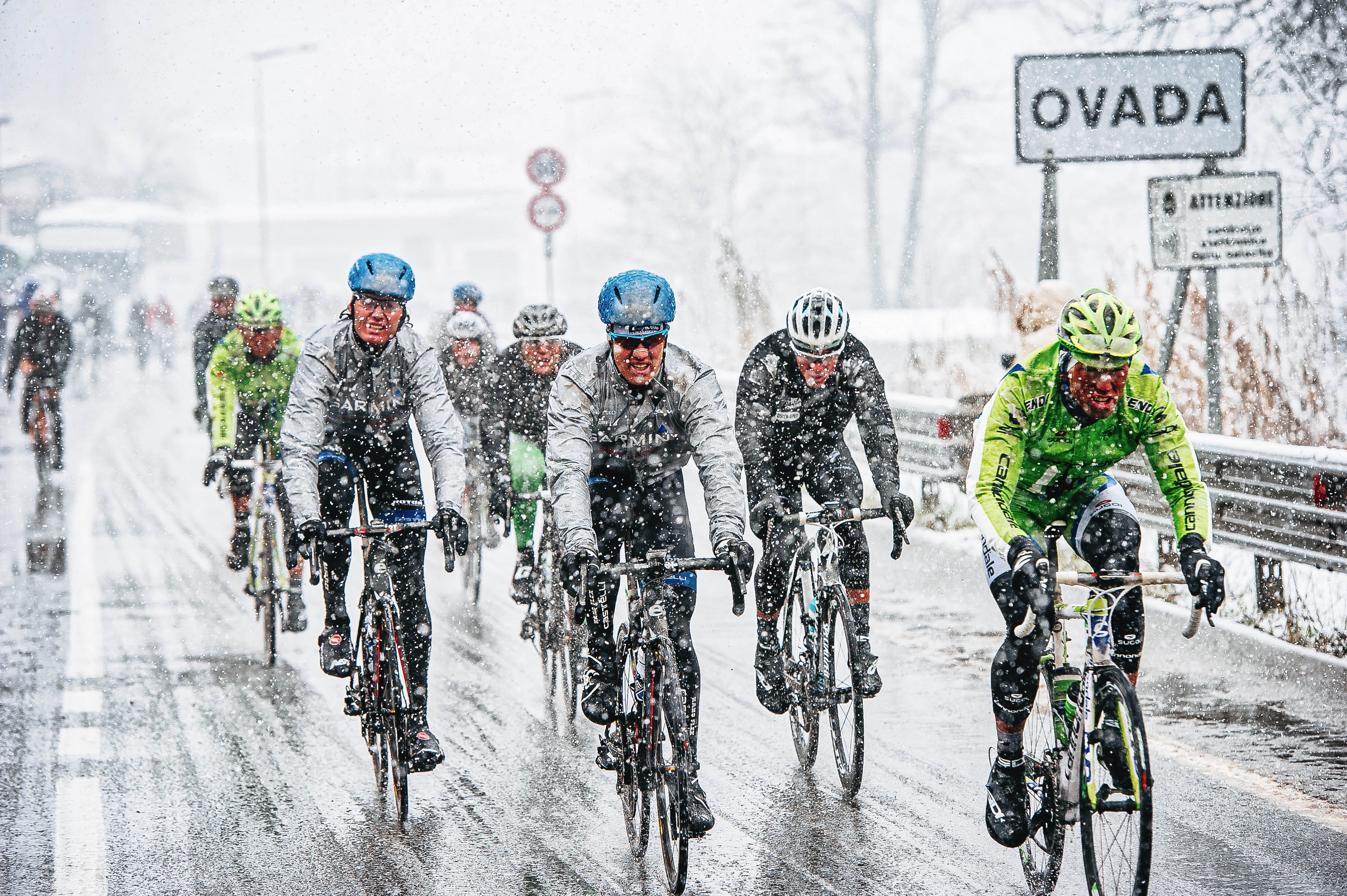
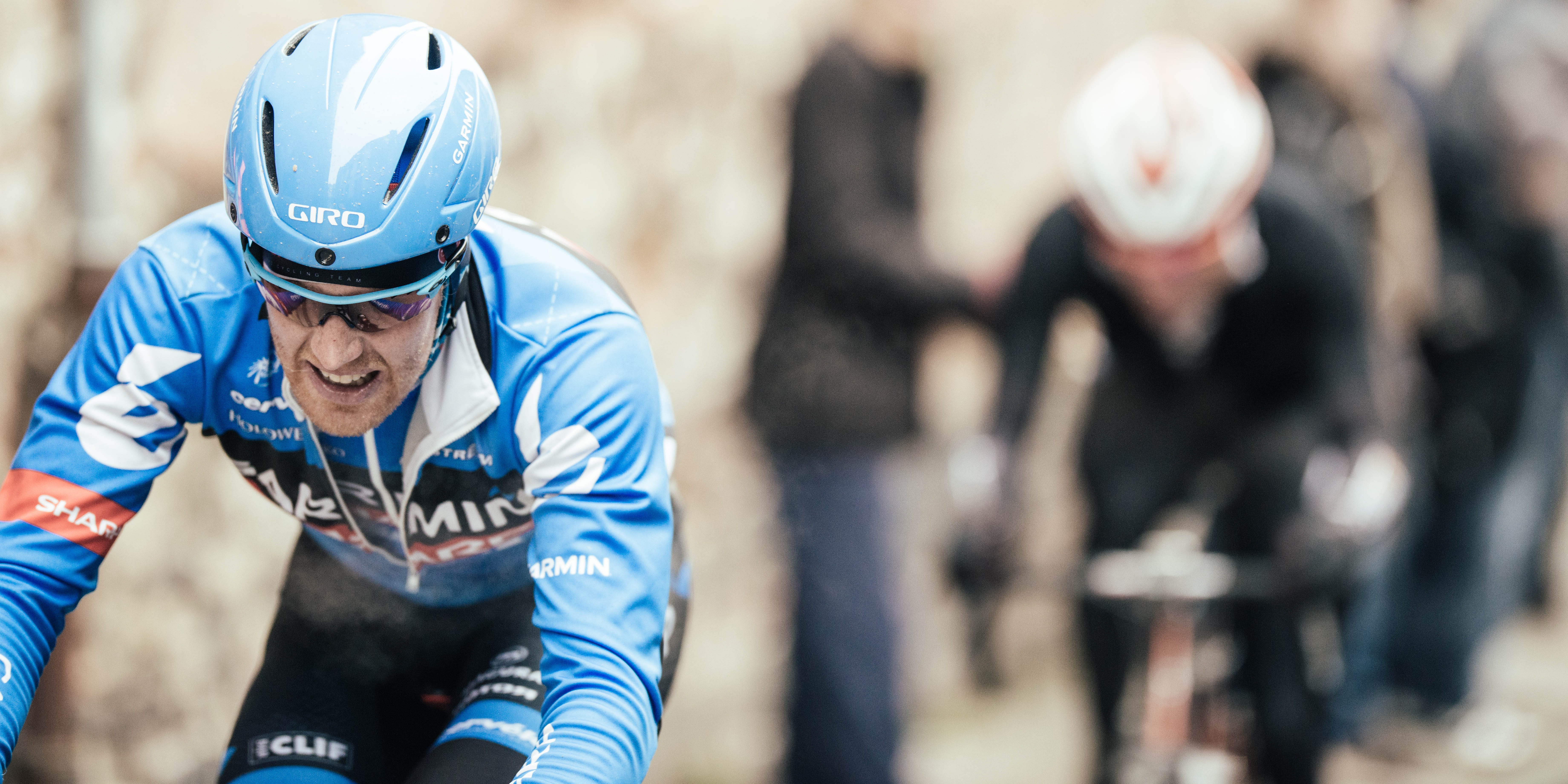
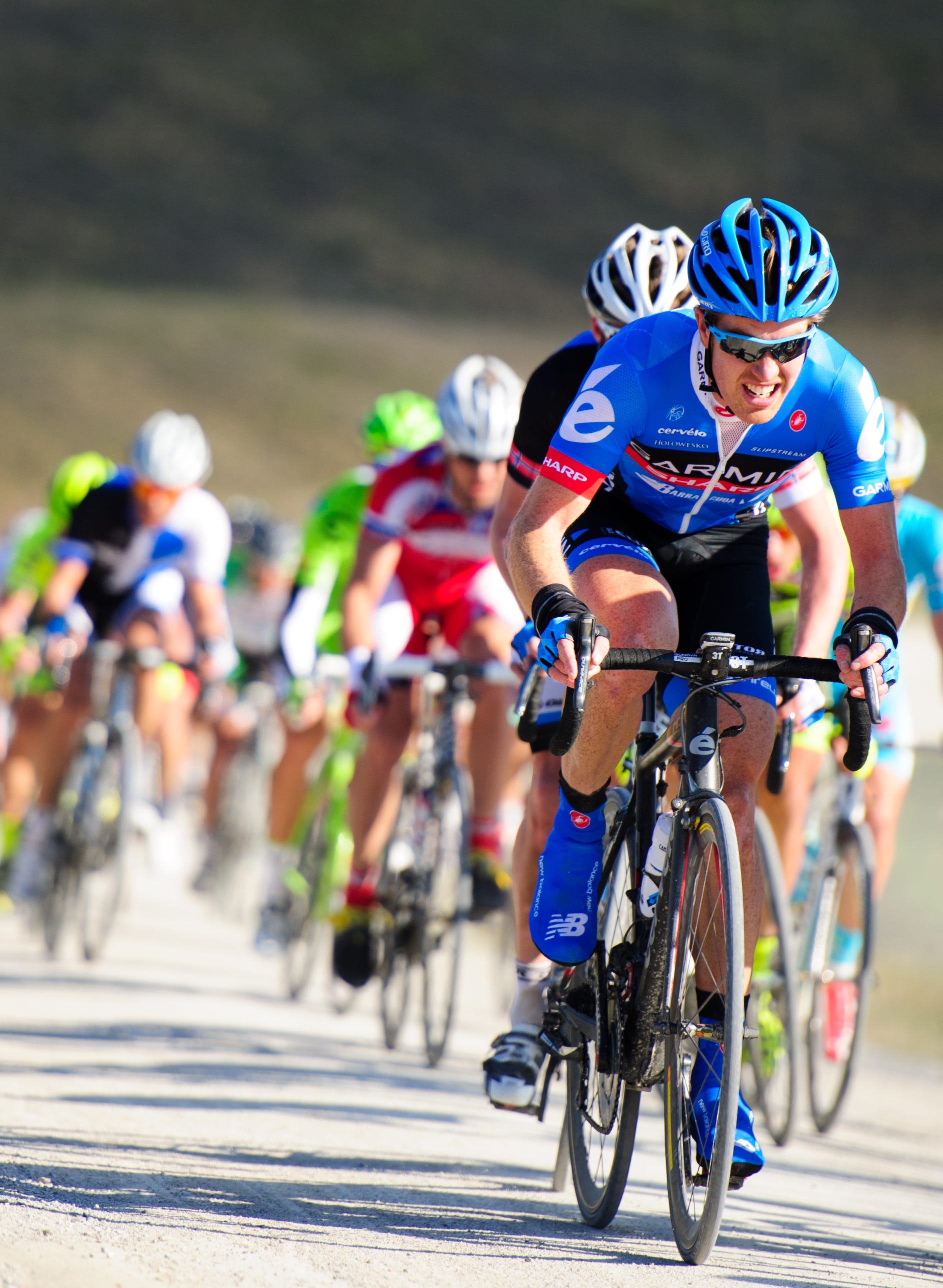
Tyler Farrar raced road bikes for twenty years, thirteen as a professional during which time he won stages in all three Grand Tours (Giro d'Italia, Tour de France, Vuelta a España). He was a sprinter and specialist in the Classics, the biggest one day races, which take place in northern Europe in the spring and favor a rider who is tough, races well in the cold and wet, on narrow, steep, and sometimes cobbled roads.
He grew up close to the mountains, in central Washington state where he was introduced to climbing. His father's work as a doctor took him overseas, sometimes to the Himalaya. It is no coincidence that Tyler turned four in Namche Bazaar, Nepal.
At age 12 Tyler mentioned an interest in bike racing so his dad suggested that Brian Harder, a Physician Assistant who worked with him, show him a thing or two. Brian, who was racing at the time, and also climbing, took Tyler under his wing, taught and trained him, and drove him to his first race. He was Tyler's coach until he got involved with USA Cycling and began working with the Edward Borysewicz. As racing successes accumulated he turned Pro in 2003, racing a hybrid program on the road and on the track, where he tried to make the 2004 US Olympic team in the Individual Pursuit and the Madison. When Tyler won stages at Tour de l'Avenir in 2004 and 2005 the French teams noticed him and he signed with Cofidis for 2006-07. We talk about this period when he lived in the south of France, the culture shock and language issues, some resistance to his presence within the team, and what he describes as, "living life on hard mode".
During this part of the conversation I learned that he papered the apartment walls with pages from Alpinist magazine and read and re-read "Kiss or Kill" to keep his head straight. After a difficult season his wife arrived and they relocated to Ghent in Belgium where he remained for the duration of his career. It was a better fit for him than France, the local riders are hard, they embrace the suffering, and he developed rapidly under the mentorship of Classics specialist Nick Nuyens. Farrar was known as a sprinter and jokes that he was, 'fortunate' to race for most of his career against the world's best sprinter, Mark Cavendish (who later became a teammate and friend at Dimension Data).
When we spoke about training he described an average of 1400 hours a year on the bike, a dedicated gym/strength training program for another 200 hours per year, and a lot of hours nordic skiing in the off-season. Our talk turned to risk tolerance in both cycling and climbing, and how, when it goes away the results also do or can, and one must evolve, which he did, shifting away from contesting sprints to a road captain role, and eventual retirement in 2017.
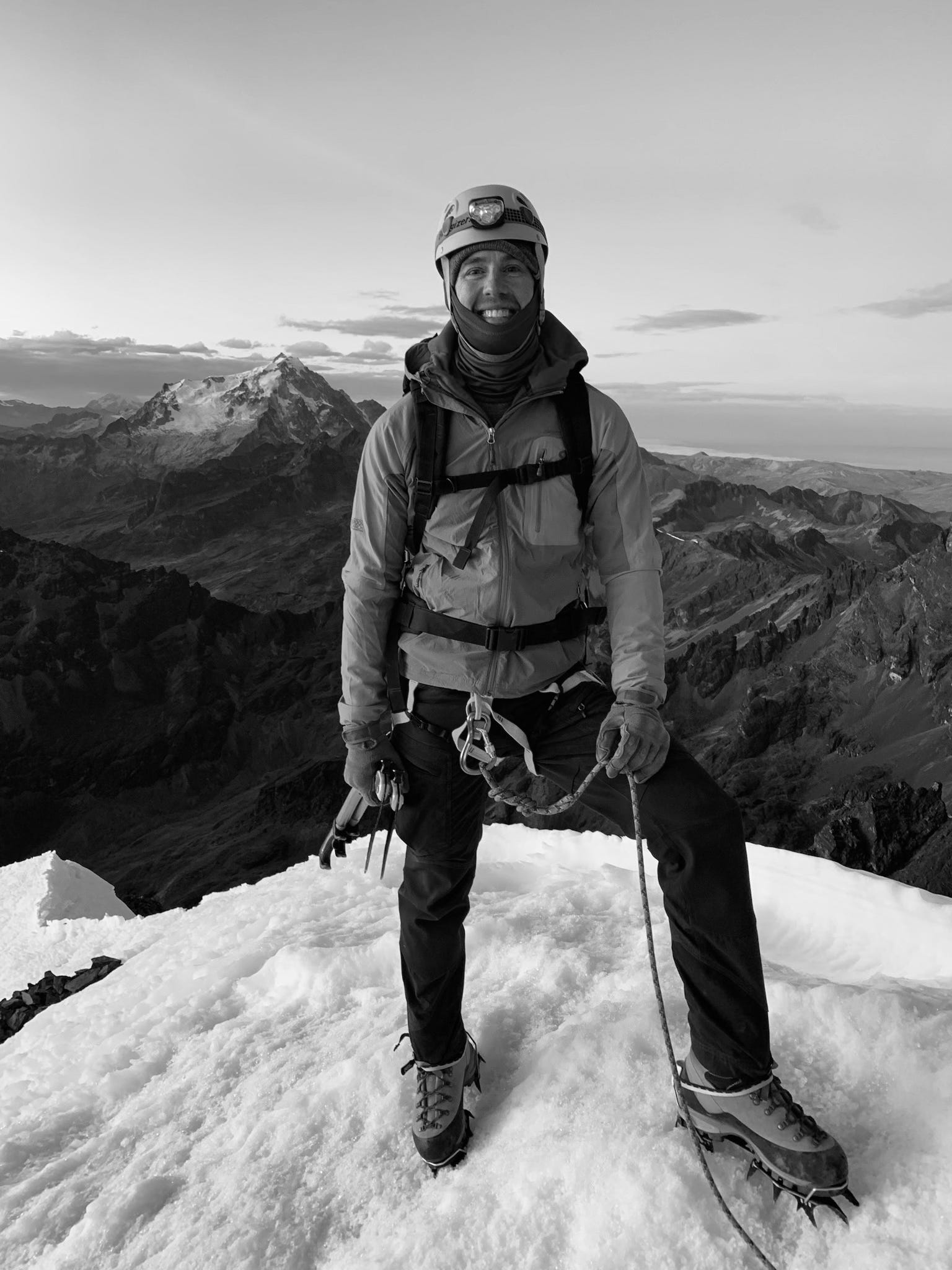
Such great change can trigger a crisis of identity but Tyler handled it well, joining the fire service relatively quickly after retiring. This career has its own unique responsibilities, placing great (and satisfying) demands on the fire and rescue specialists who work for something higher than self. The 48-hour weekly shift allows a good amount of free time to spend with family, to home-school his son, hunt, and also to go climbing which he has taken to with great commitment and intensity. On his first trip to climb in Bolivia, he discovered that high altitude was 'easy' for him, that he acclimatized quickly, which opens up a lot of terrain and compresses the standard timelines most climbers must adhere to. We close out the conversation on the topic of climbing, his visit to the frozen waterfall paradise of Hyalite Canyon, and what the future may hold for him as a husband, father, and climber.
This conversation was facilitated by our mutual friend Brian Harder, who introduced us. Tyler and I knew of each other but had never met until about an hour before we began recording so this conversation is the start of a friendship that I believe will strengthen over the coming years. I am looking forward to more conversation, and perhaps a shared adventure.
Thank you for subscribing and tuning in.
The cycling photos below are courtesy of Jered Gruber.