
Foreword — Forward
Much of what passes for training knowledge is actually marketing

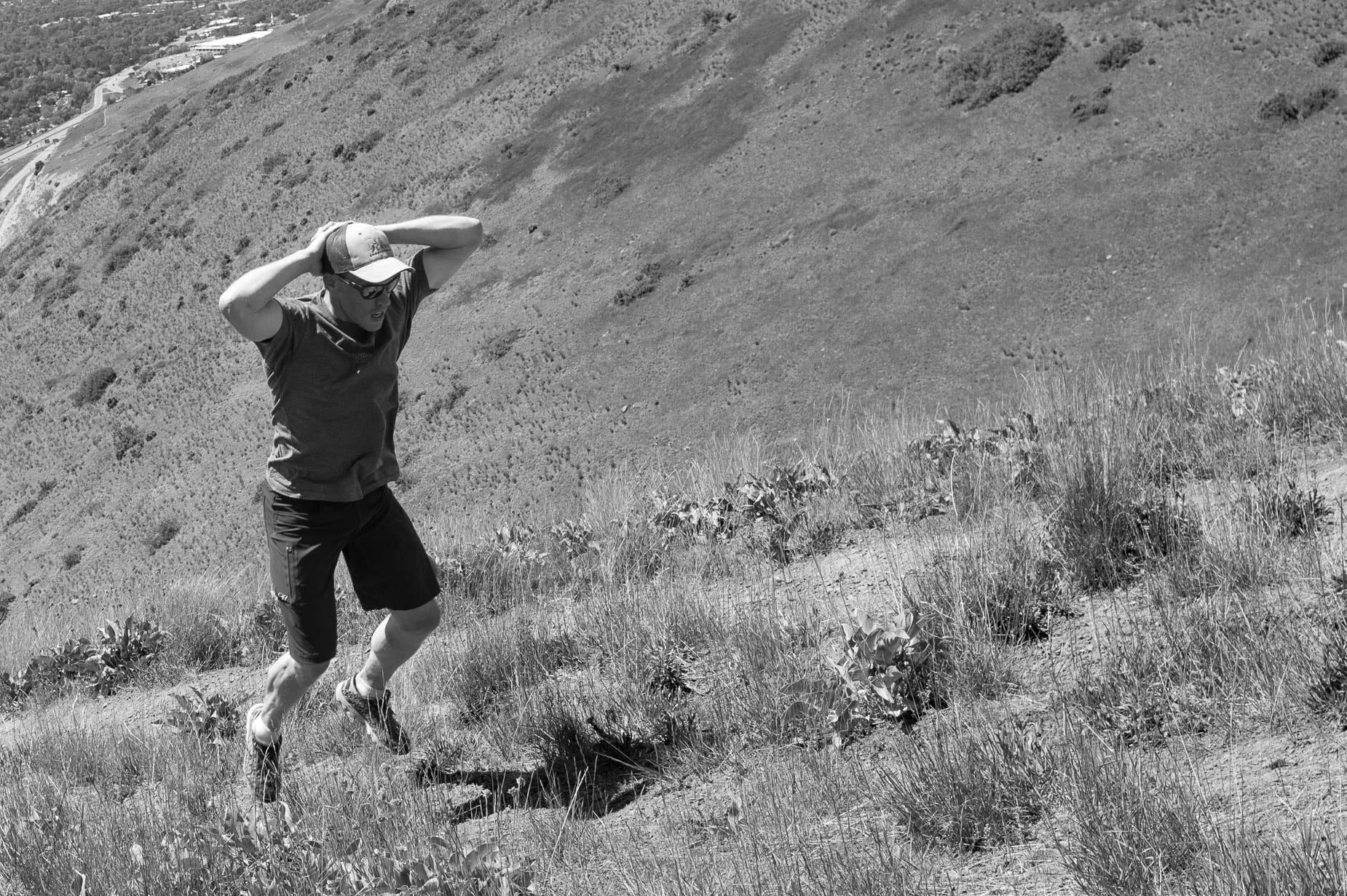
Ten-plus years ago I wrote the Foreword for a book titled “Training For The New Alpinism”.
I later admitted that I wasn’t satisfied with what I’d written, and that I was unhappy with myself after seeing it in print (perhaps for lacking the discipline to rewrite it), which is often the way of a writer’s life. But at least I met the deadline.
If I were to write it today, with an extra decade of knowledge and practice, and a lot of trial and error with communication, it might go something like the version below ... and as also happens for writers, I would write it differently next week.
/
I consider myself a charter member of the first generation of alpine climbers who trained intentionally using artificial means.
Training was born of failure, which usually happened when ambition outstripped ability, although sometimes it was just bad timing. I simplistically narrowed my lack of ability to physical issues and decided to do something about it. Chasing the first half of Brian Eno’s motto, I pushed myself to “the most extreme limits” and reaped rewards, but it took years to fulfill the second half of that motto, which is “retreat to a more useful position.”
My approach to training echoed how I climbed; both being governed by my temperament, of course. The romance of climbing didn’t interest me. I didn’t seek harps and wings. I heard no opera up there. Instead, my mountains had teeth, jagged edges and deep holes, a falling stone with someone’s name on it. I took the mountains’ indifference to life as aggression, and armored myself against it with training, with thinking, with attitude. I trained with friends who shared a similar approach. Our training mantra was dark, and motivating.
Scott Backes taught me a mantra and while we ran we breathed to its beat, inhaling and exhaling the words: “They all died.” We oxygenated our lungs with Bonatti’s epic on the Freney Pillar when one by one they did, and pushed ourselves to a place where we might never come up short, physically. The consequences of falling short made training important, and necessary. It was clear that controlling the things we could control gave us a greater reserve to address the things we could not control — and the mountains offered up plenty of those.
Unfortunately, I had no idea how to use the gym to prepare for my sport-specific goals, and without someone to ask, I wasted a lot of time. At first, I tried to mimic climbing in the weight room because I didn’t comprehend how best to use the tool; the gym is useful as a means of overloading the muscles in a way that can’t (safely) be done in the real environment of alpinism.
